
Blog
Nhs Weight Calculator: Check Your Bmi & Health Score
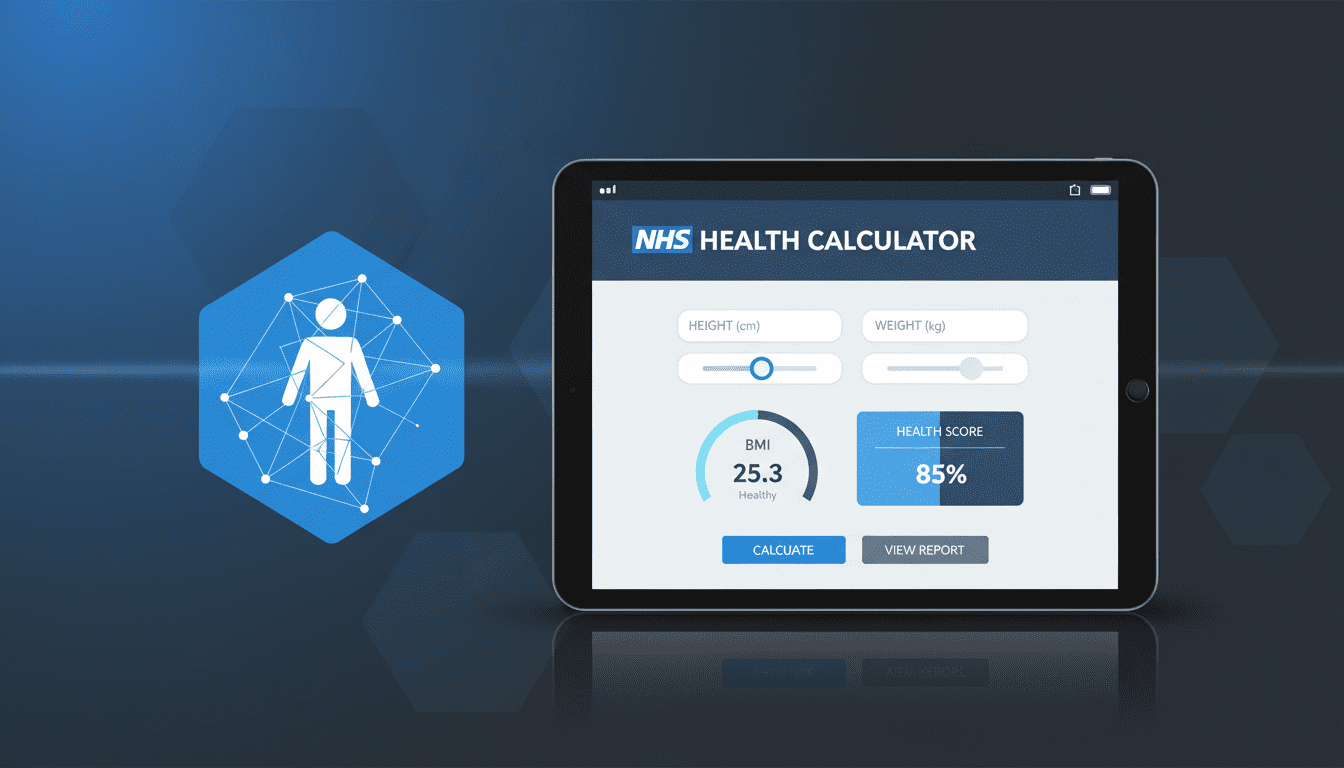
In the high-stakes world of executive management and entrepreneurship, data is your most valuable asset. Just as you audit financial health, auditing physical well-being is critical for sustained performance. The NHS weight calculator serves as the gold-standard benchmark for assessing Body Mass Index (BMI), offering a quick, data-driven snapshot of your weight relative to your height.
While this metric is fundamental, a comprehensive health strategy often requires looking beyond a single number. For instance, pairing your BMI data with cardiovascular insights from a heart rate calculator can provide a more holistic view of your physical resilience and fitness levels.
Interactive NHS Weight & BMI Calculator
Use the tool below to calculate your BMI instantly. This calculator mirrors the logic used by health services to categorize weight classes effectively.
Understanding the NHS Weight Calculator Logic
The calculation performed above is based on the standard Body Mass Index formula used by the NHS and global health organizations. It is a statistical measure that compares your weight to your height to estimate body fat.
- Metric Formula: Weight (kg) / Height (m)²
- Imperial Formula: 703 × Weight (lbs) / Height (in)²
While the math is straightforward—something you could easily verify with a basic math calculator—the interpretation is where strategic health management begins.
Interpreting Your Health Score
For executives and leaders, maintaining energy levels is paramount. Your BMI category serves as an initial indicator of potential health risks:
1. Healthy Weight (BMI 18.5 – 24.9)
This range is associated with the lowest risk of weight-related diseases, such as type 2 diabetes and heart disease. It suggests a balance between energy intake and expenditure.
2. Overweight (BMI 25 – 29.9)
Being in this category may increase the risk of cardiovascular issues. If you are in this range, you might consider calculating the exact percentage of body weight you aim to lose. A percentage calculator can be useful for setting specific, measurable goals (e.g., "I want to reduce my body mass by 5% over Q3").
3. Obese (BMI 30+)
This category flags a significantly higher risk for serious health conditions. The NHS recommends consulting a GP to develop a sustainable weight loss plan.
Limitations for High-Performance Individuals
It is crucial for founders and athletes to note that the NHS weight calculator does not distinguish between muscle and fat. Muscle is denser than fat; consequently, a high-performing individual with significant muscle mass may classify as "overweight" or "obese" despite having a low body fat percentage.
In such cases, BMI should be used in conjunction with other metrics, such as waist circumference and resting heart rate, to build an accurate health profile.
Strategic Steps for Optimization
Just as you wouldn't run a business without monthly reports, you shouldn't manage your health without regular tracking. Integrating tools like the NHS weight calculator into your routine allows for proactive adjustments to diet and lifestyle.
For more insights on optimizing various aspects of your professional and personal life, visit our blog for a suite of calculation tools designed to simplify complex data.
Frequently Asked Questions (FAQ)
Is the NHS BMI calculator accurate for everyone?
It is accurate for the majority of the adult population. However, it is less accurate for bodybuilders, athletes with high muscle mass, pregnant women, and the elderly who may have lost muscle mass.
How often should I check my BMI?
Checking your BMI once a month is sufficient. Weight fluctuates daily due to hydration and hormonal changes, so looking at long-term trends is more effective than daily monitoring.
Can I use this calculator for children?
No. Children and teenagers require a centile-based chart that accounts for age and gender-specific growth patterns.
Conclusion
The NHS weight calculator is an essential starting point for anyone serious about health optimization. By understanding your BMI, acknowledging its limitations, and utilizing complementary tools like heart rate monitoring, you can make data-backed decisions that enhance your longevity and performance.
Learn more in our comprehensive post on Nhs Obesity Calculator: Assess.
We cover this in depth in our article about Compound Interest Calculator: Daily.
We cover this in depth in our article about Tdee Calculator: Accurate Daily.
