
Blog
Federal Income Tax Calculator in Connecticut for 2026
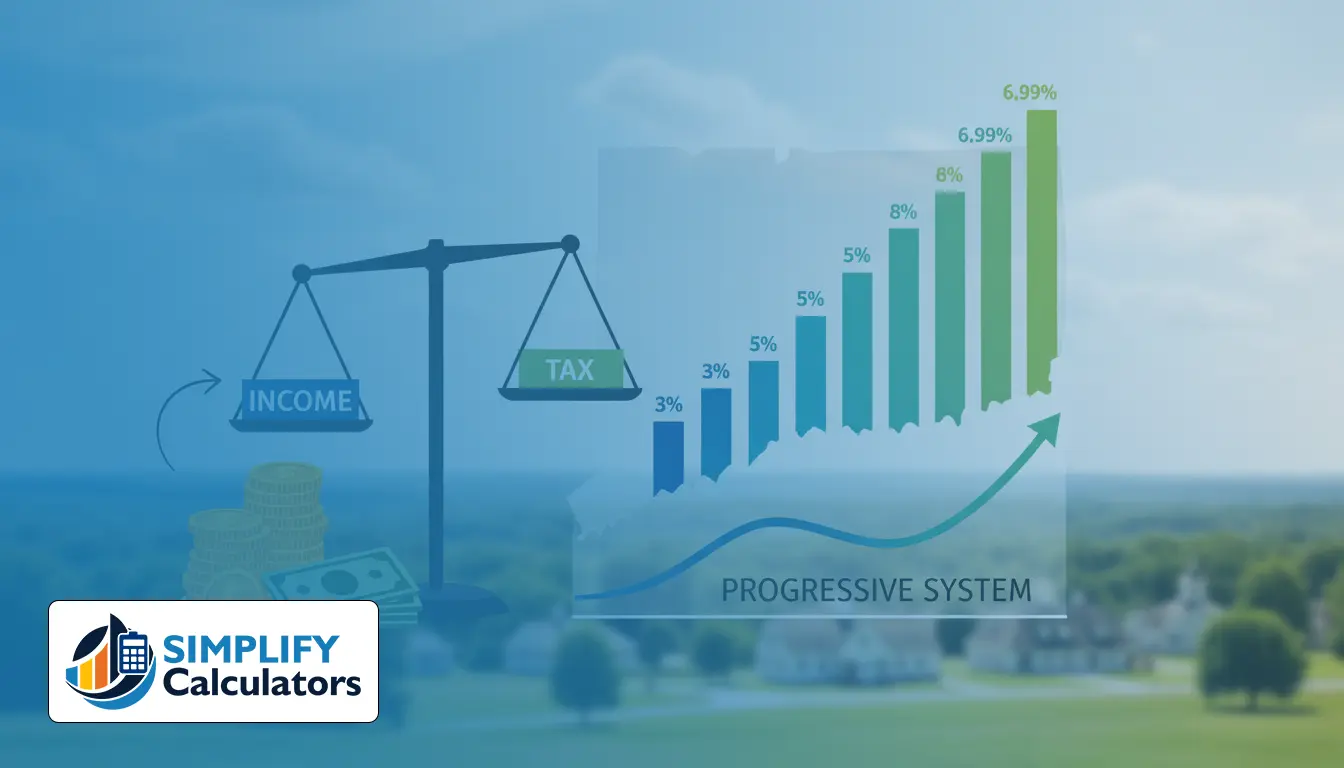
Federal Income Tax Calculator in Connecticut
| Gross Income | |
| Deductions | |
| Taxable Income | |
| Tax Before Credits | |
| Credits Applied | |
| Marginal Rate | |
| Effective Rate | |
| ▶ Total Tax Owed |
ⓘ Estimate only. Consult a tax professional for personalized advice.
Navigating the complexities of federal income tax can be a daunting task for many, and for residents of Connecticut, understanding how these obligations intertwine with state-specific financial planning adds another layer of intricacy. As we look ahead to 2026, proactive tax planning becomes not just a recommendation but a necessity. The landscape of tax laws is constantly evolving, influenced by economic factors, legislative changes, and inflation adjustments. For Connecticut taxpayers, a reliable federal income tax calculator designed for 2026 is an indispensable tool, offering a beacon of clarity amidst potential uncertainty.
This comprehensive guide is crafted specifically for Connecticut residents aiming to understand and accurately project their federal income tax liability for the 2026 tax year. We will delve into the mechanisms of federal taxation, explore the critical components that influence your tax bill, and highlight how a sophisticated calculator can empower you to make informed financial decisions. While 2026 tax figures are inherently projections, based on current laws and anticipated inflation, this article will equip you with the foundational knowledge and strategic insights to prepare effectively. From understanding tax brackets and deductions to exploring the interplay between federal and state taxes, our goal is to demystify the process and provide a roadmap for confident tax planning.
Demystifying Federal Income Tax for Connecticut Residents in 2026
The federal income tax system is the cornerstone of how the U.S. government funds its operations. For every working American, including those residing in Connecticut, it represents a significant portion of their annual financial outlay. Understanding its fundamentals, especially when looking ahead to a future tax year like 2026, is crucial for effective financial management and avoiding unwelcome surprises.
What is Federal Income Tax and Why Does it Matter?
Federal income tax is a tax levied by the United States Internal Revenue Service (IRS) on an individual’s or entity’s earnings. This progressive tax system means that higher earners typically pay a larger percentage of their income in taxes. The money collected through federal income taxes funds a vast array of government programs and services, from national defense and infrastructure projects to social security and healthcare initiatives.
For Connecticut residents, understanding federal income tax is paramount because it directly impacts their disposable income, savings, and investment strategies. While Connecticut imposes its own state income tax, property taxes, and other levies, the federal income tax constitutes the primary tax burden for most households. Accurately predicting this liability allows for better budgeting, more strategic saving, and informed decisions regarding investments and retirement planning. Ignoring or miscalculating federal tax obligations can lead to penalties, interest charges, or, conversely, overpaying and missing out on the immediate use of your funds.
The Evolving Landscape of 2026 Tax Laws: What to Expect
Projecting tax laws two years in advance, especially for 2026, comes with inherent challenges. Tax laws are dynamic, subject to legislative action, economic shifts, and annual inflation adjustments. The Tax Cuts and Jobs Act (TCJA) of 2017, which significantly reshaped the tax code, has many provisions scheduled to expire or change after 2025. This means that 2026 could see substantial alterations to individual income tax rates, standard deductions, and certain credits, unless Congress acts to extend or modify these provisions.
While definitive 2026 tax brackets and standard deduction amounts won’t be released until much closer to the tax year, we can anticipate several key factors:
- Inflation Adjustments: Historically, many tax parameters, including tax bracket thresholds, standard deduction amounts, and certain credit values, are adjusted annually for inflation. This trend is highly likely to continue for 2026, meaning the numbers will be higher than current year figures.
- TCJA Sunsets: The sunsetting of certain TCJA provisions could revert some tax rules to their pre-2018 forms. This might include changes to marginal tax rates, the child tax credit, personal exemptions (which were eliminated under TCJA), and the state and local tax (SALT) deduction cap. However, whether these provisions truly expire or are modified by new legislation remains a key uncertainty.
- Potential New Legislation: The political and economic climate leading up to 2026 could introduce new tax legislation, further altering the landscape.
Given these uncertainties, a federal income tax calculator for 2026 must be flexible and based on the most reasonable projections available. Our approach will be to explain the *principles* of federal taxation using current (e.g., 2024) figures as illustrative examples, always emphasizing that 2026 numbers will be adjusted for inflation and potential legislative changes. This ensures that Connecticut residents are prepared for the methodology, even if the precise figures evolve.
How a Federal Income Tax Calculator Works: Your 2026 Planning Companion
A federal income tax calculator is more than just a simple arithmetic tool; it’s a sophisticated financial planning instrument. For Connecticut residents looking to navigate their 2026 tax obligations, understanding its underlying mechanics is key to harnessing its full potential. By breaking down the components of federal tax calculation, we can appreciate how these tools provide clarity and foresight.
The Core Components of Federal Tax Calculation
To accurately project your federal income tax, a calculator processes several critical pieces of information. These components represent the sequential steps the IRS takes to determine your final tax liability:
- Gross Income: This is the starting point, encompassing all income you receive from various sources before any deductions. This includes wages, salaries, tips, interest, dividends, capital gains, business income, rental income, and retirement distributions.
- Adjustments to Income (Above-the-Line Deductions): Certain deductions are allowed directly from your gross income, reducing your Adjusted Gross Income (AGI). Examples include contributions to traditional IRAs, student loan interest, self-employment tax deductions, and health savings account (HSA) contributions.
- Adjusted Gross Income (AGI): Your AGI is a crucial figure because it’s used to determine eligibility for many tax credits and other deductions. A lower AGI can often lead to greater tax savings.
- Standard vs. Itemized Deductions: After calculating AGI, you choose whether to take the standard deduction (a fixed amount based on your filing status) or itemize your deductions (listing out specific deductible expenses like mortgage interest, state and local taxes (SALT), medical expenses, and charitable contributions). Most taxpayers take the standard deduction, especially since the TCJA significantly increased its value. For 2026, the specific amounts will be inflation-adjusted.
- Taxable Income: This is the amount of income on which your federal income tax is actually calculated. It’s derived by subtracting your standard or itemized deductions from your AGI.
- Tax Brackets and Marginal Tax Rates: The U.S. employs a progressive tax system with multiple tax brackets. Different portions of your taxable income are taxed at different rates. For instance, the lowest portion might be taxed at 10%, the next portion at 12%, and so on. Your “marginal tax rate” is the rate applied to your last dollar of taxable income, while your “effective tax rate” is the total tax paid divided by your total taxable income.
- Tax Credits: Unlike deductions, which reduce your taxable income, tax credits directly reduce your tax liability dollar-for-dollar. Some credits are non-refundable (can reduce your tax to zero but no lower), while others are refundable (can result in a refund even if you owe no tax). Common federal tax credits include the Child Tax Credit, Earned Income Tax Credit, education credits, and credits for energy-efficient home improvements.
- Tax Liability: This is your final tax bill, calculated after applying tax credits to the tax derived from your taxable income and tax brackets. This is the amount you owe before considering any withholdings or estimated payments you’ve already made.
Step-by-Step: Using a Calculator to Project Your 2026 Tax
A sophisticated federal income tax calculator streamlines the entire process, guiding you through each component to arrive at an estimated 2026 tax liability. Here’s how it generally works:
- Input Income Sources: You’ll enter details about all your expected income for 2026, including wages, bonuses, investment income, and any other taxable earnings.
- Select Filing Status: Your filing status (Single, Married Filing Jointly, Married Filing Separately, Head of Household, Qualifying Widow(er)) is a critical determinant of your standard deduction amount and tax bracket thresholds.
- Enter Adjustments to Income: Provide information on any above-the-line deductions you anticipate taking.
- Input Deduction Preferences: The calculator will typically ask if you plan to take the standard deduction or itemize. If itemizing, you’ll enter estimated amounts for various deductible expenses.
- Identify Potential Credits: You’ll indicate eligibility for various tax credits by entering relevant information (e.g., number of qualifying children, education expenses, etc.).
- Review and Calculate: The calculator processes all this information, applies projected 2026 tax brackets and rules (which are based on current law and expected inflation adjustments), and provides an estimated federal tax liability.
The beauty of using a tool like Simplify Calculators is its ability to handle these complex calculations quickly and accurately, allowing you to run various scenarios. You can adjust income, deductions, or credits to see how changes impact your projected tax, making it an invaluable resource for proactive financial planning.
Illustrative Federal Income Tax Brackets for 2026 (Based on 2024 Projections)
IMPORTANT DISCLAIMER: The tax brackets provided below are purely illustrative and are based on the 2024 federal income tax brackets, adjusted for a hypothetical inflation rate to project potential 2026 figures. These are not official 2026 IRS figures. Actual 2026 tax brackets will be released by the IRS later in 2025 and will reflect official inflation adjustments and any potential legislative changes. Use these for conceptual understanding and planning purposes only, and always refer to official IRS publications for definitive information.
Let’s consider a hypothetical 3.5% annual inflation adjustment from 2024 to 2026 for illustration.
Illustrative 2026 Federal Income Tax Brackets for Single Filers
| Tax Rate | Taxable Income (Illustrative 2026 Projection) |
|---|---|
| 10% | $0 to $11,940 |
| 12% | $11,941 to $48,460 |
| 22% | $48,461 to $99,700 |
| 24% | $99,701 to $190,800 |
| 32% | $190,801 to $240,000 |
| 35% | $240,001 to $600,000 |
| 37% | Over $600,000 |
Illustrative 2026 Federal Income Tax Brackets for Married Filing Jointly
| Tax Rate | Taxable Income (Illustrative 2026 Projection) |
|---|---|
| 10% | $0 to $23,880 |
| 12% | $23,881 to $96,920 |
| 22% | $96,921 to $199,400 |
| 24% | $199,401 to $381,600 |
| 32% | $381,601 to $480,000 |
| 35% | $480,001 to $720,000 |
| 37% | Over $720,000 |
Illustrative 2026 Federal Income Tax Brackets for Head of Household
| Tax Rate | Taxable Income (Illustrative 2026 Projection) |
|---|---|
| 10% | $0 to $17,060 |
| 12% | $17,061 to $65,560 |
| 22% | $65,561 to $105,940 |
| 24% | $105,941 to $201,100 |
| 32% | $201,101 to $255,000 |
| 35% | $255,001 to $600,000 |
| 37% | Over $600,000 |
Illustrative Standard Deduction Projections for 2026:
- Single: ~ $14,900
- Married Filing Jointly: ~ $29,800
- Head of Household: ~ $22,250
Remember, your effective tax rate is generally lower than your top marginal rate because of the progressive nature of the tax system and the benefit of deductions and credits. Using these illustrative figures in a calculator can help Connecticut residents gain a preliminary understanding of their potential federal income tax liability for 2026.
Connecticut Specific Considerations for Federal Tax Planning
While federal income tax rules apply uniformly across all states, the financial landscape of Connecticut can influence how residents approach their federal tax planning. Understanding the interplay between federal and state taxes, and unique financial situations common in the Nutmeg State, is crucial for holistic tax optimization.
The Interplay Between Federal and State Taxes in CT
Connecticut is one of the states that imposes its own progressive state income tax, in addition to federal income tax. This means Connecticut residents face a dual tax burden. While a federal income tax calculator focuses solely on your IRS obligations, it’s vital to recognize that your federal tax decisions can indirectly affect your state tax picture, and vice-versa.
- State and Local Tax (SALT) Deduction Cap: For federal tax purposes, taxpayers who itemize their deductions can deduct state and local taxes paid. However, the TCJA implemented a $10,000 cap on this deduction (which includes state income tax, property tax, and sales tax combined). For many Connecticut residents, especially those in high-property-tax areas or with significant state income tax liabilities, this cap often limits their federal itemized deductions. Whether this cap will remain in place for 2026 is one of the key uncertainties surrounding the TCJA sunsets. If it expires, it could significantly increase the value of itemized deductions for many in Connecticut.
- Taxable Income for State Purposes: While federal and state tax calculations are separate, the federal Adjusted Gross Income (AGI) is often the starting point for calculating Connecticut state income tax. Changes to your federal AGI (due to adjustments or deductions) can therefore have a ripple effect on your state tax liability.
How Your Federal Tax Impacts Overall Financial Health in Connecticut
Federal income tax planning isn’t just about compliance; it’s about strategic financial management within the context of your Connecticut life. The amount you pay in federal taxes directly impacts:
- Budgeting and Cash Flow: Understanding your federal tax liability helps you accurately budget your take-home pay, preventing shortfalls and enabling effective cash flow management.
- Savings and Investments: Lowering your federal tax burden through deductions and credits frees up more capital for savings, investments, and retirement contributions, crucial for long-term financial security in a state with a relatively high cost of living like Connecticut.
- Real Estate Decisions: Property taxes in many Connecticut towns are substantial. While property taxes are a state/local issue, their interaction with the federal SALT deduction cap (if it remains) can influence homeownership decisions and overall tax efficiency.
Accurate federal tax projection in 2026 allows Connecticut residents to make smarter decisions about their employment, investments, and even where they choose to live.
Unique Deductions and Credits Relevant to CT Residents (Federally)
While federal deductions and credits apply nationwide, certain ones may hold particular relevance or impact for Connecticut residents due to common financial situations or the state’s demographics:
- Mortgage Interest Deduction: Given Connecticut’s robust housing market, many homeowners may benefit from deducting mortgage interest, provided they itemize and their mortgage is within federal limits.
- Student Loan Interest Deduction: With numerous prestigious universities and colleges in and around Connecticut, many residents may be paying off student loans, making the student loan interest deduction a valuable federal tax break.
- Child Tax Credit (CTC) & Child and Dependent Care Credit: For families in Connecticut, these federal credits can significantly reduce tax liability, providing valuable financial relief for childcare expenses or raising qualifying children.
- Clean Energy Credits: Connecticut has a strong focus on sustainability. Federal credits for energy-efficient home improvements (e.g., solar panels, energy-efficient windows) could be particularly attractive and relevant for residents looking to reduce their carbon footprint and save on energy costs.
- Health Savings Account (HSA) Contributions: For those with high-deductible health plans, HSA contributions offer a triple tax advantage (tax-deductible contributions, tax-free growth, tax-free withdrawals for qualified medical expenses), which is beneficial for managing healthcare costs in any state, including CT.
Utilizing a 2026 federal income tax calculator helps Connecticut residents identify which of these federal provisions they might be eligible for, maximizing their tax savings and optimizing their financial outlook.
Maximizing Your Tax Position: Strategies for Connecticut Taxpayers in 2026
Proactive tax planning is not merely about calculating what you owe; it’s about strategically managing your finances to optimize your tax position. For Connecticut taxpayers looking ahead to 2026, implementing certain strategies can lead to significant savings and peace of mind.
Proactive Planning and Estimated Taxes
For many Connecticut residents, federal income tax is primarily withheld from their paychecks. However, if you are self-employed, a freelancer, a small business owner, or have significant income from investments, rents, or other sources not subject to regular withholding, you likely need to pay estimated taxes quarterly. This applies to many gig economy workers and entrepreneurs thriving in Connecticut’s diverse economy.
- Who Needs to Pay: Generally, if you expect to owe at least $1,000 in tax for 2026, you may need to pay estimated taxes. This can include income from side hustles, consulting, or capital gains.
- Avoiding Underpayment Penalties: The IRS assesses penalties if you don’t pay enough tax throughout the year through withholding and estimated payments. Using a 2026 federal income tax calculator allows you to project your tax liability and adjust your estimated payments accordingly, preventing these penalties.
- Planning for Income Fluctuations: If your income varies throughout the year, especially common for those in seasonal industries or with fluctuating freelance work, a calculator helps you adjust your quarterly payments to match your earnings, preventing overpayment or underpayment.
Optimizing Deductions and Credits
Maximizing your deductions and credits is arguably the most direct way to reduce your federal tax bill. For 2026, Connecticut taxpayers should carefully review their eligibility.
- Standard vs. Itemized Deduction Decision: With potentially changing standard deduction amounts and the uncertain future of the SALT cap, carefully analyzing whether to take the standard deduction or itemize will be critical. If the SALT cap expires, itemizing might become more beneficial for a larger number of Connecticut homeowners.
- Common Deductions:
- IRA Contributions: Contributions to a traditional IRA are often tax-deductible, reducing your taxable income. This is a powerful dual-purpose tool for saving for retirement and lowering your current tax bill.
- HSA Contributions: Contributions to a Health Savings Account are 100% tax-deductible (above-the-line), even if you don’t itemize.
- Student Loan Interest: You can deduct up to $2,500 in student loan interest paid annually.
- Self-Employment Tax Deduction: Self-employed individuals can deduct one-half of their self-employment taxes.
- Common Credits:
- Child Tax Credit (CTC): A significant credit for families with qualifying children. For 2026, the specific value and refundability of this credit could change if TCJA provisions sunset.
- Earned Income Tax Credit (EITC): A refundable credit for low-to moderate-income working individuals and families.
- Education Credits: The American Opportunity Tax Credit and Lifetime Learning Credit help offset the costs of higher education for you, your spouse, or your dependents.
- Child and Dependent Care Credit: Helps taxpayers pay for care of a qualifying child or dependent.
Regularly reviewing your financial situation and using a calculator to model the impact of different deductions and credits can significantly enhance your tax planning efforts.
Adjusting Your W-4 for Accurate Withholding
For most employees in Connecticut, federal income tax is withheld from each paycheck based on the information provided on their Form W-4. An accurately filled-out W-4 ensures that your employer withholds roughly the correct amount of tax throughout the year, preventing a large tax bill at year-end or an excessively large refund (which means you’ve essentially given the government an interest-free loan).
- Preventing Surprises: Use a federal income tax calculator for 2026 to project your total tax liability. Compare this to your expected withholdings. If there’s a significant difference, update your W-4 with your employer.
- Life Changes: Major life events such as marriage, divorce, birth of a child, purchasing a home, or a significant change in income (common in Connecticut’s dynamic job market) should prompt a review and adjustment of your W-4.
- Avoiding Over-Withholding: While a large refund might feel good, it means you’ve forgone the opportunity to use that money throughout the year for savings, investments, or debt reduction. Adjusting your W-4 can put more money in your pocket on an ongoing basis.
The Value of Professional Tax Advice in Connecticut
While a federal income tax calculator is an incredibly powerful tool for self-planning, complex financial situations or significant life changes warrant professional advice. A qualified tax professional, such as a Certified Public Accountant (CPA) or an Enrolled Agent (EA) in Connecticut, can offer personalized guidance. They can help navigate intricate deductions, analyze investment strategies from a tax perspective, and ensure compliance with both federal and state tax laws. They are also best equipped to provide the most up-to-date information regarding 2026 tax law changes as they become clearer.
Beyond the Calculator: Comprehensive Tax Resources for Connecticut Residents
While a federal income tax calculator for 2026 is an essential tool, a holistic approach to tax planning requires staying informed and knowing where to find reliable information. For Connecticut residents, a combination of official government resources, educational content, and professional guidance forms the bedrock of sound financial management.
Official Government Resources
The most authoritative and up-to-date information on federal income tax comes directly from the Internal Revenue Service (IRS), and for state taxes, from the Connecticut Department of Revenue Services (DRS).
- IRS.gov: The official website of the IRS is a treasure trove of information. Here you can find:
- Official tax forms and publications (including those for prior years, which can help project 2026 changes).
- News releases and guidance on new tax legislation.
- The IRS Tax Withholding Estimator, a tool to help adjust your W-4.
- Information on tax credits, deductions, and payment options.
It is the definitive source for confirmed 2026 tax brackets, standard deduction amounts, and other key figures once they are officially released.
- CT DRS (Connecticut Department of Revenue Services): For state-specific tax information, including Connecticut’s income tax, sales tax, and property tax relief programs, the CT DRS website is your primary resource. While this article focuses on federal tax, understanding your full tax picture as a Connecticut resident requires consulting both federal and state resources.
Educational Content and Tools
Beyond government sites, numerous reputable financial planning and tax preparation websites offer valuable insights, articles, and supplementary tools. These resources can help you understand specific tax concepts, stay updated on trends, and gain a broader perspective on tax implications.
- Many financial blogs and educational platforms provide detailed explanations of tax law changes, planning strategies, and tips for optimizing your tax return.
- Online tax preparation software often includes educational components and guides that walk you through the filing process.
- For a broader perspective on federal income tax principles and calculations in different regions, you might find our article on the Federal Income Tax Calculator in Raleigh particularly insightful, demonstrating commonalities and distinctions in applying federal tax rules across different states.
These resources, when used in conjunction with a precise calculator, empower you to build a comprehensive understanding of your tax obligations.
Staying Informed About 2026 Tax Legislation
Given the potential for significant changes in 2026 due to the sunsetting of TCJA provisions or new legislative actions, staying informed is paramount. Tax laws are often influenced by the political climate, economic conditions, and federal budget needs. Connecticut residents should:
- Monitor News from Reliable Sources: Follow financial news outlets and reputable tax news services that provide updates on proposed and enacted tax legislation.
- Subscribe to IRS Updates: The IRS offers subscription services for email updates on tax topics relevant to individuals and businesses.
- Consult with Tax Professionals: Your CPA or EA will be among the first to receive and interpret new tax guidance, offering invaluable insights into how changes might affect your specific situation.
By actively engaging with these resources, Connecticut taxpayers can ensure they are well-prepared for any federal income tax changes that 2026 may bring, transforming potential uncertainty into proactive readiness.
Frequently Asked Questions About Federal Income Tax in Connecticut for 2026
Q1: Will federal tax rates change significantly in 2026?
A: The federal tax rates for 2026 are subject to annual inflation adjustments and potential legislative changes. Notably, many provisions of the Tax Cuts and Jobs Act (TCJA) of 2017 are set to expire at the end of 2025. If Congress does not act to extend or modify these provisions, we could see a reversion to pre-TCJA tax rates, lower standard deduction amounts, and the reintroduction of personal exemptions, among other changes. Therefore, significant changes are a strong possibility, making proactive planning and monitoring legislative developments crucial.
Q2: How does Connecticut state income tax interact with my federal tax?
A: While federal and Connecticut state income taxes are calculated separately, there is an interaction for those who itemize deductions on their federal return. State and local taxes (SALT), including Connecticut’s state income tax and local property taxes, can be deducted on your federal return. However, this deduction is currently capped at $10,000 per household. This cap often limits the federal tax benefit for many Connecticut residents who pay substantial state and local taxes. The potential expiration of the SALT cap in 2026 could significantly alter this interaction.
Q3: Can I use a federal tax calculator if I’m self-employed in CT?
A: Yes, absolutely. A federal income tax calculator is an invaluable tool for self-employed individuals in Connecticut. It helps you estimate your income tax liability, including self-employment taxes (Social Security and Medicare taxes). This is critical for calculating and making accurate quarterly estimated tax payments to avoid underpayment penalties. You’ll input your business income and deductible expenses, and the calculator will project your federal tax burden.
Q4: What’s the biggest difference between federal and state tax in Connecticut?
A: The biggest difference is the taxing authority and the scope of what is taxed. Federal tax (IRS) applies nationwide and funds national programs, while Connecticut state tax (CT DRS) applies only to income earned or sourced within Connecticut and funds state-specific services. While both have progressive rate structures, the specific brackets, deductions, and credits differ significantly. Your federal AGI often serves as a starting point for state tax calculations, but state-specific adjustments are then applied.
Q5: What if I move to or from Connecticut in 2026?
A: If you move to or from Connecticut in 2026, your tax situation becomes more complex. For federal tax purposes, your residency generally doesn’t change the rules, but your income sources might. For state taxes, you would likely be considered a part-year resident, meaning you’d file a Connecticut state income tax return for the portion of the year you resided there, and potentially a non-resident return if you had CT-sourced income while living elsewhere. Consulting a tax professional specializing in multi-state taxation is highly recommended in such scenarios.
Q6: How accurate can a 2026 tax calculator be this far in advance?
A: A 2026 federal income tax calculator provides projections based on current tax law and anticipated inflation adjustments. While it can give you a very good estimate for planning purposes, it’s important to understand that the official 2026 tax figures (brackets, standard deductions, credit values) will not be released by the IRS until closer to the end of 2025. Furthermore, any new tax legislation passed by Congress could change the rules. Therefore, while highly useful for planning, consider these calculations as strong estimates that may require fine-tuning closer to the tax year.
Q7: Where can I find definitive 2026 tax information when it’s released?
A: Definitive 2026 federal tax information will be released by the Internal Revenue Service (IRS). You can find this information on their official website, IRS.gov, typically in late 2025 or early 2026. The IRS publishes updated tax tables, standard deduction amounts, and other relevant figures annually. Reliable financial news outlets and tax preparation software providers will also update their resources once official IRS guidance is available.
Conclusion
Proactive financial planning for your federal income tax in Connecticut for 2026 is not merely about compliance; it’s about empowering yourself with knowledge and tools to make informed decisions. The anticipated changes to federal tax laws, particularly with the potential sunsetting of TCJA provisions, underscore the importance of staying ahead of the curve. While definitive 2026 figures are yet to be finalized, understanding the underlying principles of federal taxation and utilizing a robust calculator allows you to confidently project your obligations and identify opportunities for optimization.
For Connecticut residents, integrating federal tax planning with state-specific considerations creates a comprehensive financial strategy. By diligently exploring deductions, credits, and making timely adjustments to withholdings or estimated payments, you can significantly impact your financial well-being. Embrace the power of a dedicated federal income tax calculator for 2026 as your essential planning companion, providing clarity and confidence in an often complex financial landscape. Start your planning today, stay informed, and leverage the available resources to ensure your financial future in Connecticut is both secure and tax-efficient.
For a deeper understanding, read our detailed guide on Federal Income Tax Calculator.
We cover this in depth in our article about Federal Income Tax Calculator.
Learn more in our comprehensive post on Federal Income Tax Calculator.
